
Introduction
Choosing the right keyboard is crucial for setting off on a rewarding musical journey. Beginners face a multitude of options, making selection overwhelming. This guide demystifies the essentials, contrasts different keyboard types, and pinpoints features vital for novices. Equipped with this knowledge, you’ll be ready to make an informed choice and play confidently.
Understanding the Basics of Keyboards
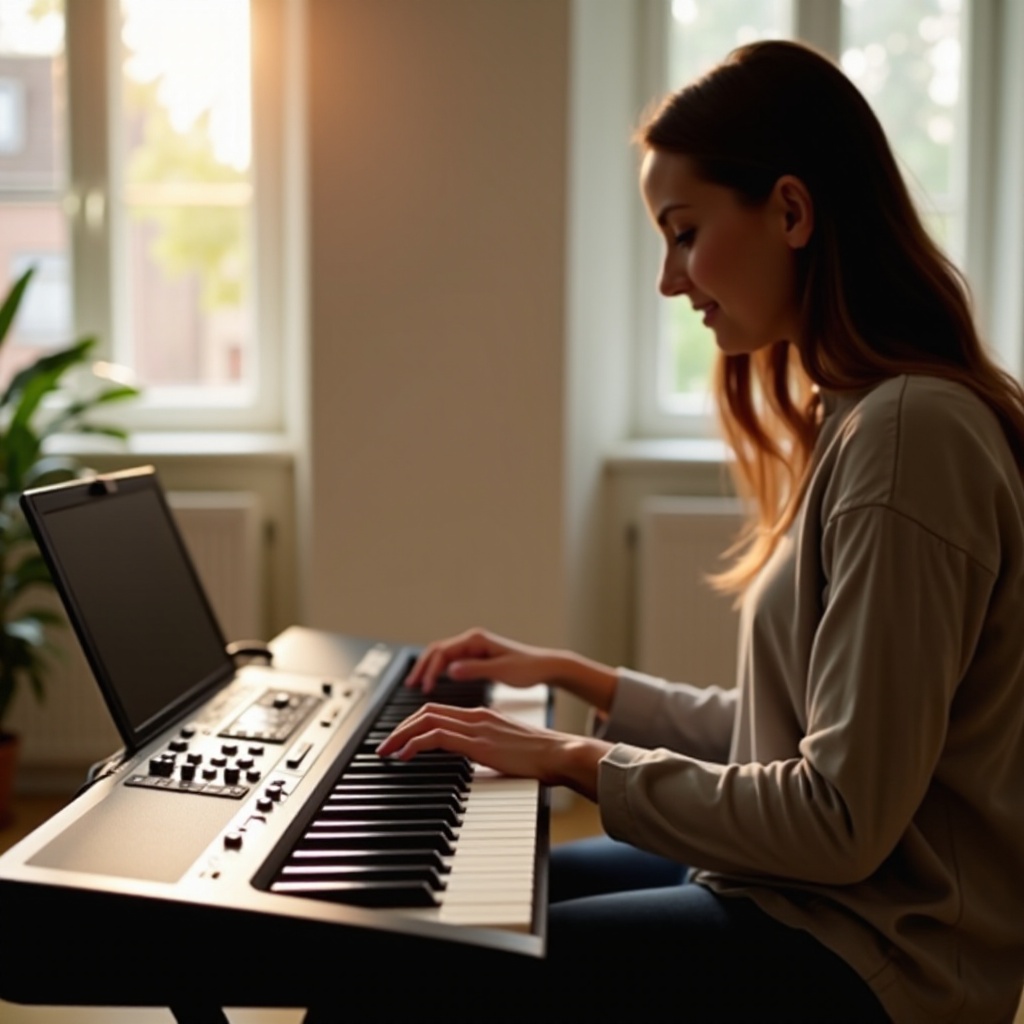
Before assessing specific models, grasp the fundamental aspects of keyboards. As musical instruments with keys, keyboards are tapped to produce notes. They appear in various forms like digital and acoustic, each serving distinct functions based on their design and capabilities.
Keyboards are ideal for beginners due to typically being more affordable and portable than traditional pianos. Featuring benefits like volume control and headphone support, digital keyboards enrich practice by adding rhythm and sound options. With this foundational understanding, we can compare keyboard types suitable for beginners.
Types of Keyboards Suitable for Beginners
Not all keyboards are designed equally, especially when catering to beginners’ needs. Here are the key types:
-
Digital vs. Acoustic Keyboards: Acoustic pianos provide richness and authentic feel but are often expensive and cumbersome. Digital keyboards offer more practicality to beginners due to affordability, portability, and added features.
-
Portable Keyboards: For beginners needing compact, easy-to-transport options, portable keyboards with diverse styles and voices are ideal. They make for great casual practice and storage solutions.
-
Key Features of Beginner Keyboards: Look for weighted keys, touch sensitivity, and learning boosts like built-in tutorials. Understanding what these features offer will assist in finding the right beginner keyboard. With this insight into types, let’s delve into the specific features every beginner should prioritize.
Key Features to Consider When Buying a Beginner Keyboard
Choosing a keyboard hinges on identifying features that promise a rewarding learning experience:
-
Number of Keys and Touch Sensitivity: Standard keyboards typically have 88 keys, though beginners may choose fewer due to space or budget. Touch-sensitive keys respond to pressure, adding musical expression.
-
Sound Quality and Polyphony: Ensure your keyboard boasts good sound with at least 64 polyphony notes so complex pieces play smoothly, without lost notes.
-
Connectivity and Learning Tools: Many keyboards offer USB/MIDI connectivity, harmonizing with computers and educational apps. Integrated learning adjustments greatly enhance beginners’ learning journey.
Comprehending these features, you’re well-equipped to choose a keyboard catering to newbie needs. Let’s highlight top recommendations for this year.
Top Recommendations for Beginner Keyboards in 2024
Based on the discussed criteria, here are standout beginner keyboard options:
-
Best Budget-Friendly Options: The Yamaha P-45 and Casio CT-S200 impress with excellent sound and essential features at a wallet-friendly cost.
-
Keyboards with Integrated Learning Systems: The Roland GO:KEYS and Yamaha EZ-300 shine for integrated tutorials and follow-lit keys that guide beginners.
-
User Reviews and Expert Opinions: The Alesis Recital series earns praise thanks to its mix of features, cost-effectiveness, and quality, making it a favored choice among newcomers and educators.
Armed with these recommendations, selecting a keyboard as your musical companion becomes simpler. Now, utilize your instrument fully with essential starting tips.
Tips for Getting Started with Your New Keyboard
Having chosen a keyboard, embrace learning and exploring:
-
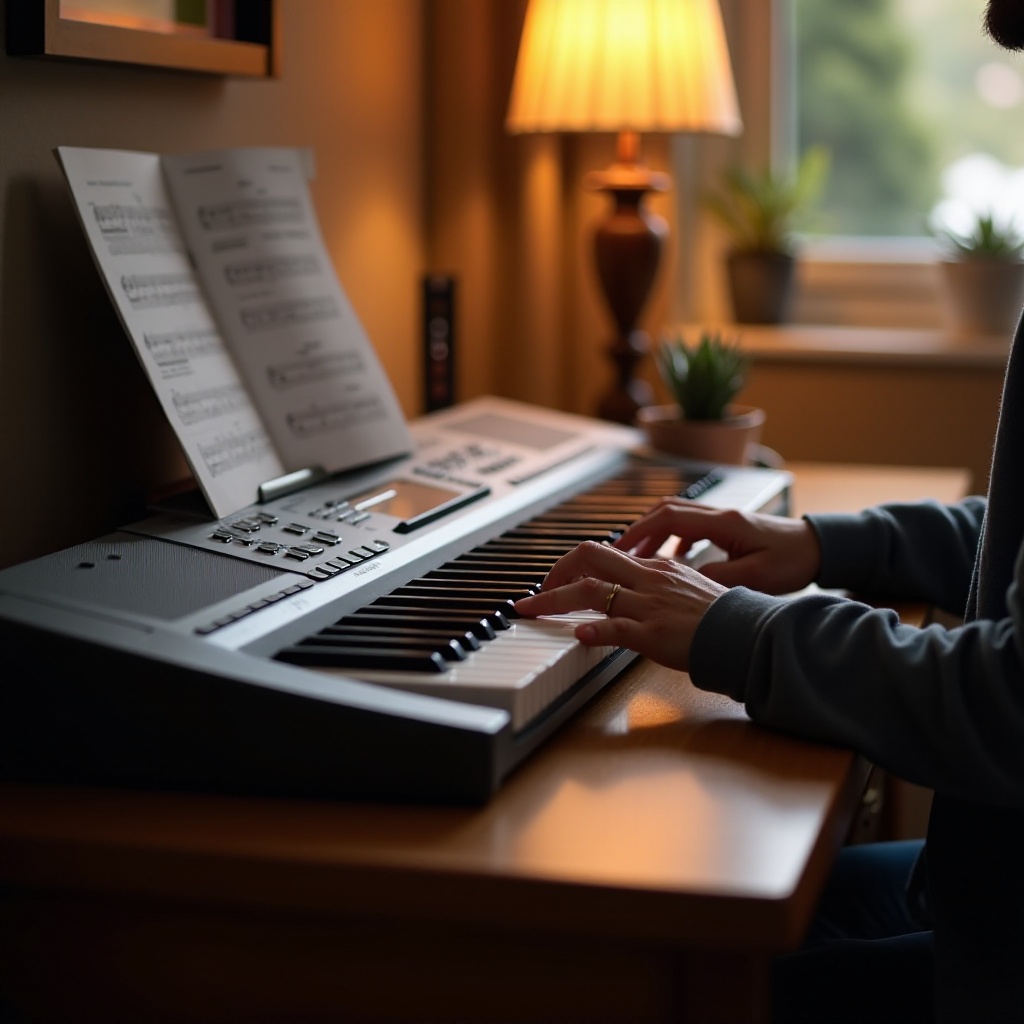
Set Up a Comfortable Practice Space: Designate a quiet, distraction-free space conducive to practice.
-
Establish a Regular Practice Routine: Consistency matters. Favor shorter, frequent practice over rare, long sessions.
-
Use Online Resources and Tutorials: Online platforms provide abundant tailored tutorials and lessons, offering beginners structured guidance.
-
Experiment with Sounds and Features: Familiarize yourself with the keyboard’s sounds and capabilities to elevate your learning.
Following these strategies will foster gradual, enjoyable progress.
Conclusion
Identifying the best beginner keyboard entails comprehending types, essential features, and reliable models out there. With this comprehensive guide, you’re well-prepared to pick a keyboard suited to your learning style and budget, paving the way for your musical success.
Frequently Asked Questions
What is the difference between weighted and unweighted keys?
Weighted keys mimic the feel of an acoustic piano, crucial for developing proper technique, while unweighted keys are lighter and easier to play for beginners.
Can I start learning piano on a keyboard?
Yes, keyboards are excellent for starting your piano journey, especially with learning tools and features supporting beginners.
How often should a beginner practice on their keyboard?
Beginners should aim for 20-30 minutes of daily practice to develop skills and build a consistent routine.